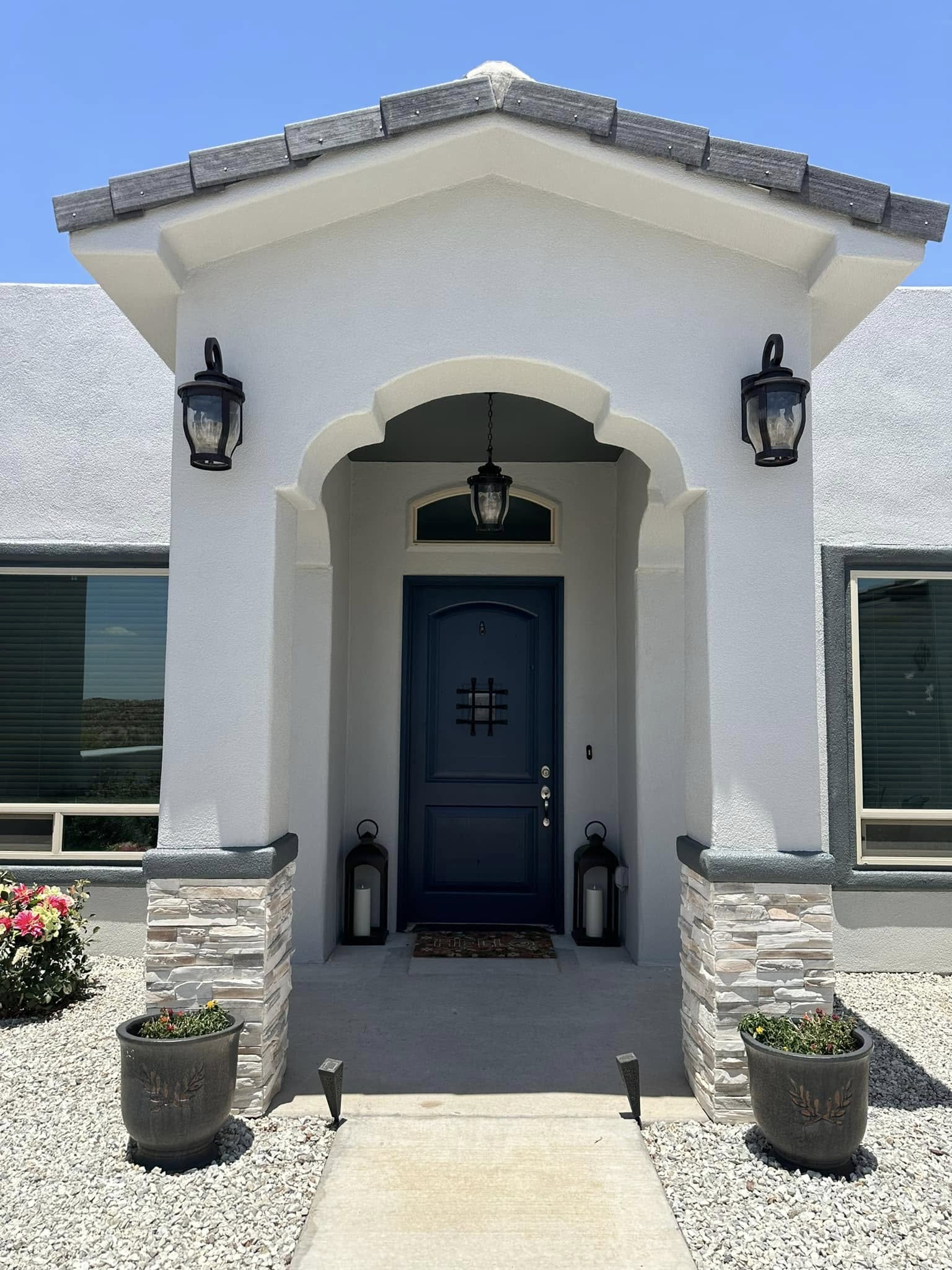
The Art of Choosing the Right Paint Colors for Your Home Apr 28, 2026
Understanding Color Psychology
Before selecting your paint palette, it's essential to understand the basics of color psychology. Different colors can evoke various emotions and set the tone for each room. Warm colors, like reds and oranges, can energize a space, making them ideal for social areas like living rooms and dining rooms. On the other hand, cool colors, such as blues and greens, have a calming effect, perfect for bedrooms and bathrooms. Neutrals are versatile and timeless, offering a sophisticated backdrop that complements a variety of design schemes.
Consider the Room's Purpose
When choosing paint colors, it's crucial to consider each room's purpose. A kitchen is often the heart of the home, benefitting from warm or bright tones that stimulate conversation and appetite. In contrast, a home office or library might benefit from deep blues or greens to promote concentration and calmness. Understanding the function of each room can guide you in selecting a color that enhances the experience within the space.
Lighting Influences Color Perception
Lighting plays a pivotal role in how paint colors appear. Natural light changes throughout the day, affecting how colors are perceived. South-facing rooms typically receive warm, bright light, enhancing warm tones, while north-facing rooms offer cooler lighting, which might make colors look darker. It's wise to test paint samples on your walls at different times of the day to see how they look under varied lighting conditions.
Harmonize with the Existing Decor
Another critical factor is ensuring your chosen paint colors harmonize with existing decor elements. Take into account the color of your furnishings, textiles, and even artwork. A well-coordinated color scheme creates a cohesive and visually pleasing environment. If you have a bold statement piece, you might opt for a more neutral wall color to let it stand out, or conversely, pick a complementary color to tie the room together.
Testing Colors is Essential
Before committing to a full room paint job, sampling is key. Paint a small section or use tester boards to see how the colors interact with your decor and lighting. This step can prevent costly mistakes and ensure satisfaction with the outcome. Remember that paint can look different on a swatch than it will on your walls, so this testing phase is crucial.
Consult with Professionals
While DIY painting can be a gratifying experience, consulting with professional painters, like the team at Revived Painters LLC, can provide invaluable insights. Professionals can offer expert advice on the best hues for your space and execute the paint job for a flawless finish. Their experience can save you time and stress, leading to a result that exceeds expectations.
In conclusion, selecting the perfect paint colors for your home is an art that combines personal taste with practical considerations. Understanding the psychological impact of colors, considering room function, and accounting for lighting and existing decor are all important steps in the process. By following these guidelines and enlisting professional guidance when needed, you can achieve a home transformation that reflects your style and enhances your living space. Revived Painters LLC stands ready to assist with expertise and passion, ensuring your home looks its best.
/filters:no_upscale()/filters:format(webp)/media/1b78ec99-6059-4575-bf58-0c378d33fc1a.jpg)
/filters:no_upscale()/filters:format(webp)/media/83013017-235b-42e5-91a1-603e1668278e.jpeg)